

Discover Thai, Indonesian, Nepali, Indian, Pakistani, and Bangladeshi Foods in Japan

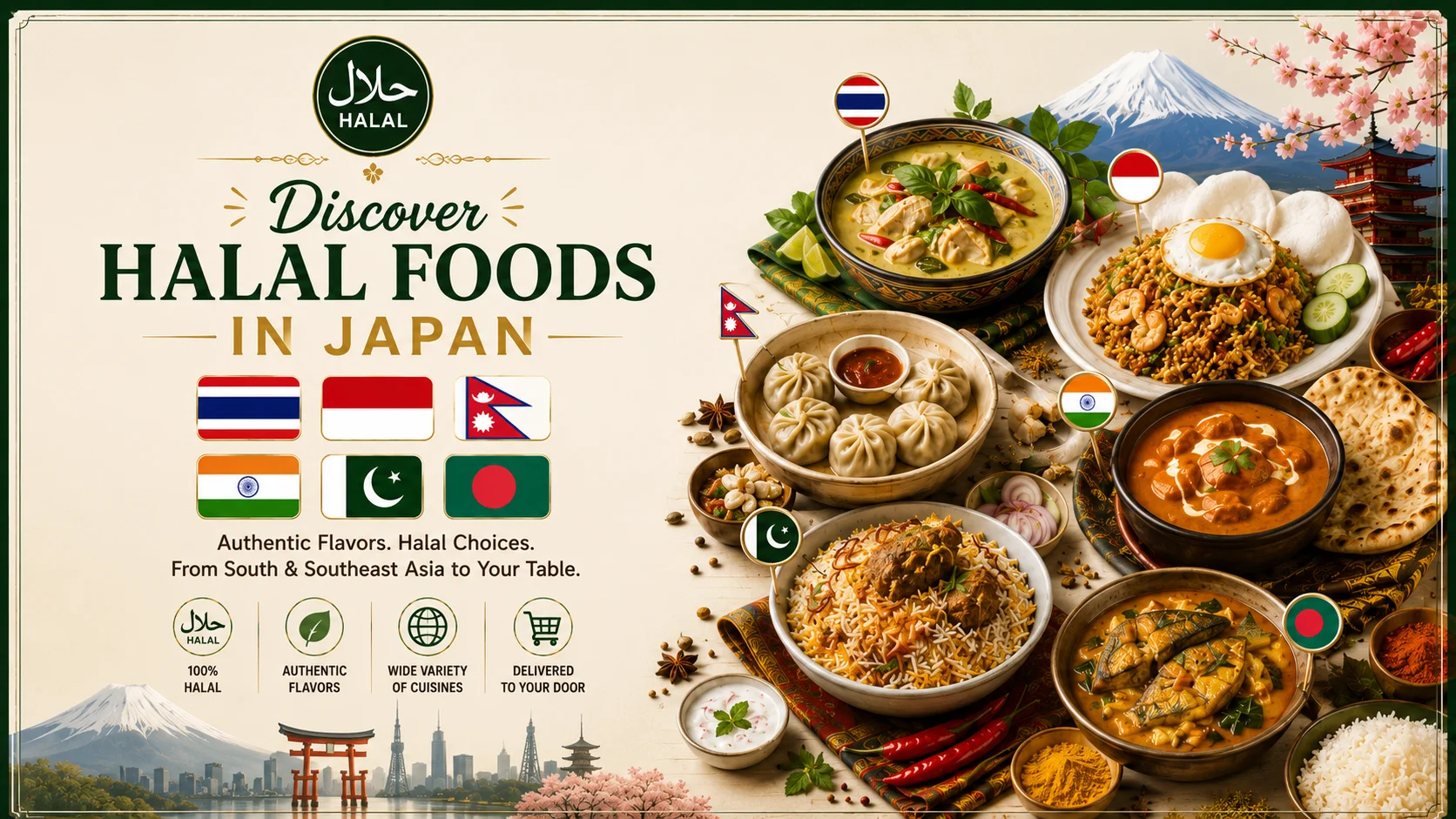
Japan is home to many international communities, including people from Bangladesh, India, Pakistan, Nepal, Indonesia, Thailand, and other countries. Food is one of the strongest ways people stay connected to their culture. When someone moves to Japan for work, study, or family life, they may enjoy Japanese food but still miss the taste of home. This is why international halal grocery products are so important.
A good halal grocery store in Japan should offer more than basic items. It should provide a wide selection of foods from different countries so customers can cook their favorite meals easily. Bangladeshi customers may look for rice, lentils, dry fish, mustard oil, spices, chanachur, pickles, frozen fish, and curry ingredients. Indian customers may look for atta, basmati rice, paneer, masala spices, snacks, lentils, and ready-to-cook items. Pakistani customers may want biryani masala, nihari mix, haleem mix, kebab spices, pickles, rice, and halal meat. Nepali customers may search for noodles, beaten rice, lentils, spices, achar, and snacks. Indonesian and Thai customers often need sauces, noodles, chili paste, coconut milk, spices, snacks, and frozen foods.
International grocery shopping is about variety. Customers want products that match their cooking style. For example, Thai food often uses sweet, sour, spicy, and salty flavors together. Ingredients like chili, garlic, coconut milk, noodles, sauces, fish, and herbs are important. Indonesian cooking also uses bold flavors, including sambal, fried rice spices, noodles, coconut-based dishes, and spicy snacks. South Asian cooking usually depends on rice, lentils, halal meat, fish, vegetables, oil, ghee, and masala spices.
Rice is one of the most important grocery items across many cultures. Basmati rice is popular for biryani and pulao, while other rice varieties are used for daily meals. Lentils are also essential. Red lentils, chickpeas, beans, and other pulses are used for dal, curry, snacks, and healthy meals. These items are simple but very important for everyday cooking.
Snacks are another big part of international grocery shopping. Many customers enjoy biscuits, chips, chanachur, spicy mixtures, instant noodles, sweets, and drinks from their home countries. Snacks are especially popular among students, children, and people who want something quick during work or travel.
Frozen items also make life easier. Frozen paratha, samosa, kebab, nuggets, fish, vegetables, and ready-to-eat meals help customers save time. In busy Japanese city life, many people do not have time to cook everything from scratch every day. Frozen halal and international foods provide convenience without losing familiar taste.
A halal grocery store that carries products from many countries becomes more than a shop. It becomes a community space where people can find comfort, culture, and convenience. Customers may discover new foods from other cultures too. Someone who usually buys Bangladeshi products may try Indonesian noodles. Someone who loves Indian spices may also enjoy Thai sauces. This variety makes shopping more exciting.
Living in Japan does not mean giving up traditional food. With the right grocery store, customers can continue cooking the meals they love. From Thai noodles to Pakistani biryani, from Bangladeshi fish curry to Indian snacks, from Nepali achar to Indonesian sambal, international halal groceries bring many cultures together in one place.