

Your Complete Guide to Buying Halal Groceries in Japan

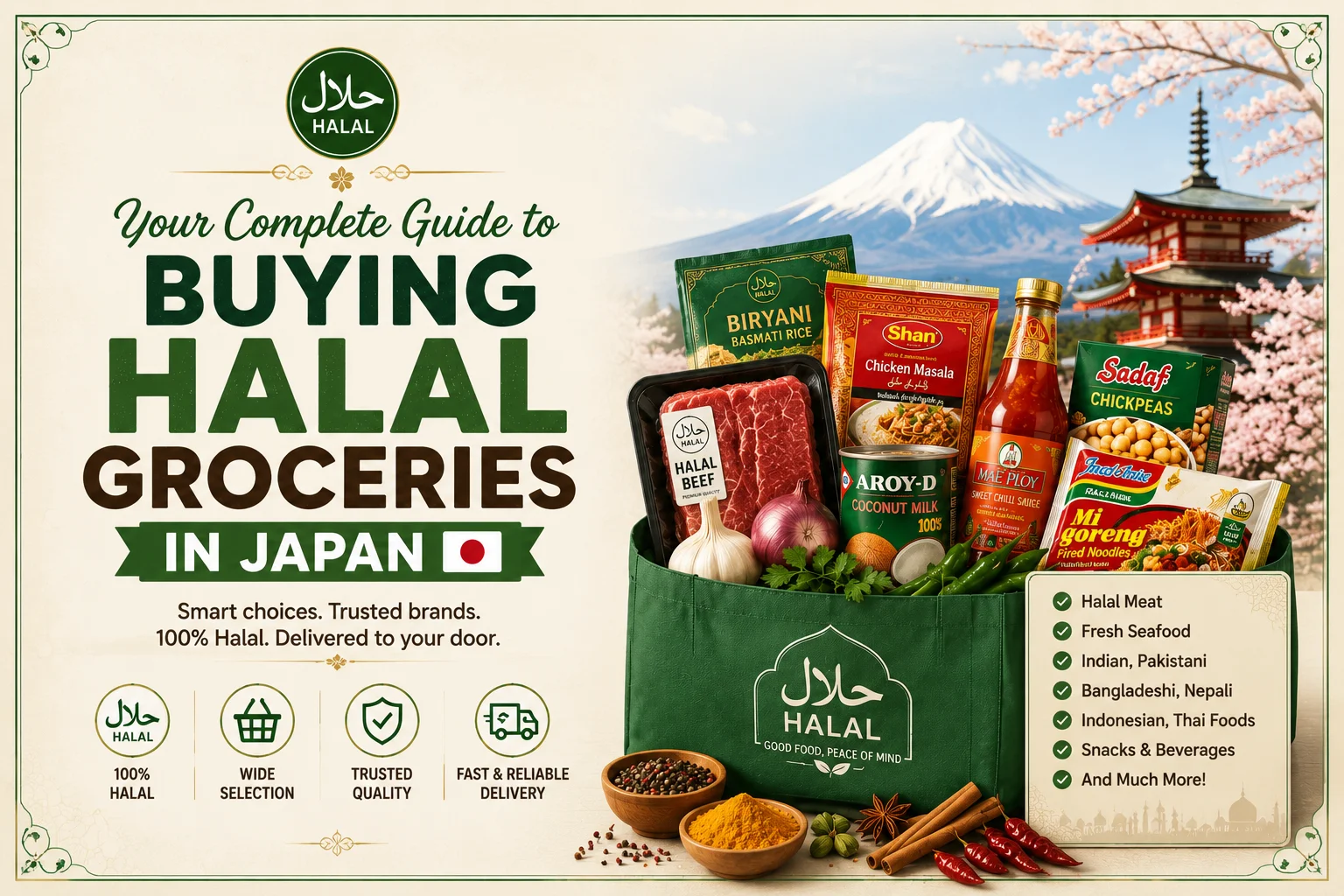
Finding halal groceries in Japan can be challenging, especially for Muslims, international students, workers, families, and food lovers who want trusted halal ingredients for daily cooking. Many people living in Japan miss the taste of home, whether that means Bangladeshi curry, Pakistani biryani, Indian masala dishes, Nepali meals, Indonesian favorites, or Thai-style spicy food. A reliable halal grocery store makes life easier by bringing all these essentials into one place.
Halal grocery shopping is not only about buying meat. It is also about confidence. Customers want to know that the food they are purchasing is suitable for halal cooking, family meals, and special occasions. That is why a good halal grocery store should offer a wide range of products, including halal beef, chicken, mutton, fish, masala spices, rice, lentils, frozen items, snacks, pickles, sauces, and ready-to-cook foods.
One of the most important items for halal shoppers is meat. In Japan, regular supermarkets may not always provide halal-certified meat, so many customers prefer specialized halal stores. Halal beef, chicken, and mutton are essential for dishes such as curry, kebab, biryani, nihari, roast, rezala, bhuna, and grilled meals. When buying halal meat, customers usually look for freshness, proper packaging, clean cutting, and reliable sourcing.
Spices are another key part of halal grocery shopping. South Asian and Southeast Asian cooking depends heavily on masala spices. Items like turmeric powder, chili powder, cumin, coriander, garam masala, biryani masala, curry powder, whole spices, bay leaves, cinnamon, cardamom, cloves, and black pepper can completely change the taste of a dish. For people living in Japan, finding authentic spices can make homemade meals taste much closer to the food they enjoyed back home.
Fish and seafood are also popular among many halal grocery customers. Frozen fish, dry fish, shrimp, and other seafood items are especially important for Bangladeshi, Indian, Indonesian, and Thai cooking. Many families enjoy cooking fish curry, fried fish, dry fish bhorta, spicy seafood noodles, and soups. Having these products available in Japan helps customers prepare traditional meals without compromise.
A halal grocery store also supports busy lifestyles. Students and working people often need quick meal solutions. Frozen paratha, samosa, kebab, nuggets, ready-to-eat meals, instant noodles, snacks, biscuits, and drinks can save time while still matching their taste preferences. These products are also useful for families who want convenient food options for children and guests.
Another benefit of shopping from a halal grocery store in Japan is variety. Many customers come from different countries, so a good store should include Bangladeshi, Indian, Pakistani, Nepali, Indonesian, and Thai products. This creates a multicultural shopping experience where everyone can find familiar flavors.
At the end of the day, halal grocery shopping is about trust, taste, and convenience. Whether someone is preparing a family dinner, stocking up for Ramadan, cooking for guests, or simply buying daily essentials, a halal grocery store can become a reliable part of their life in Japan. With the right selection of halal meat, spices, fish, snacks, and international food items, customers can enjoy authentic meals while living far from home.